ingodobaneninj
pronounced: n-goh-doh-buh-neh-ninj
means: “one handful”
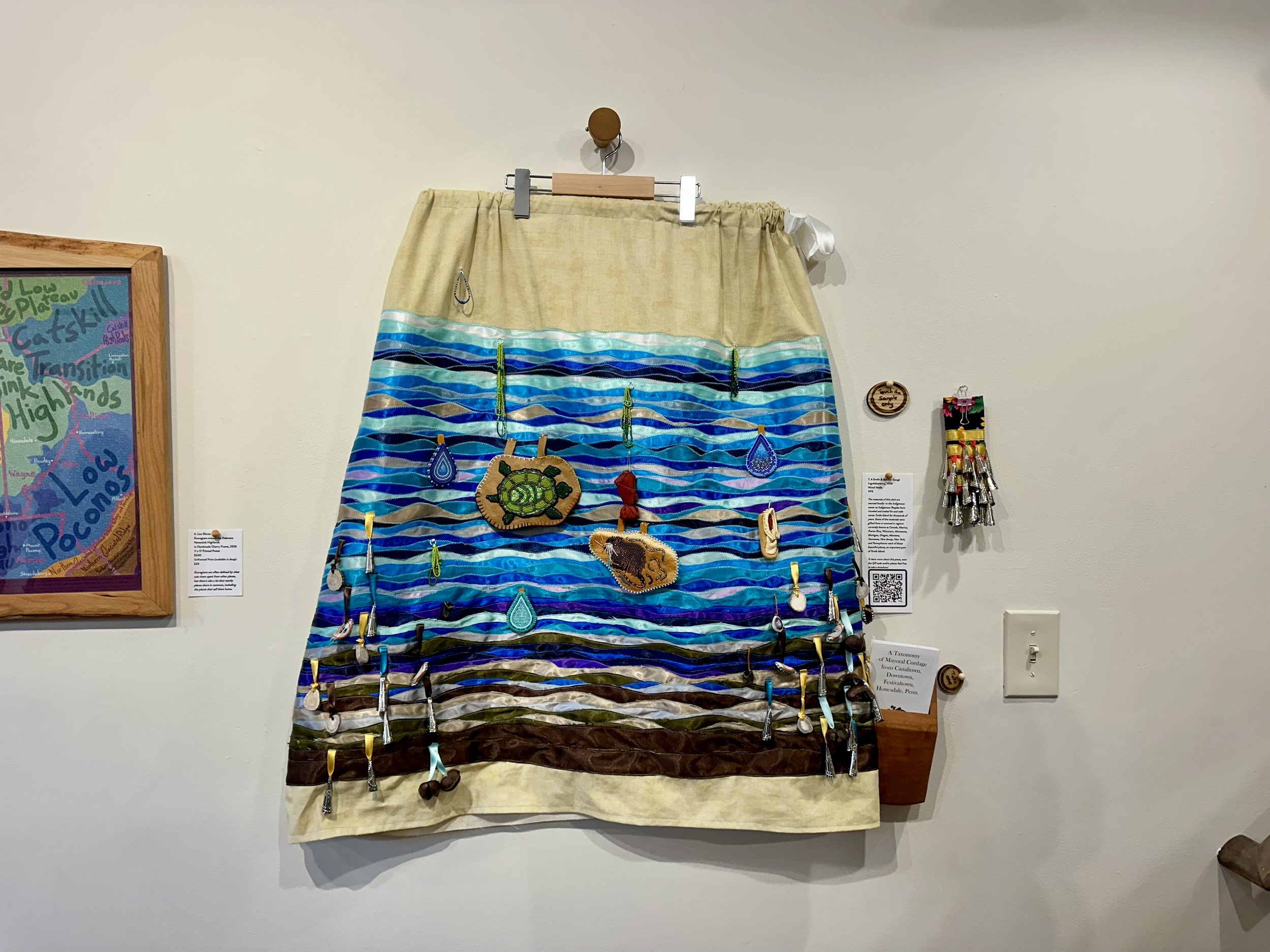
Ingodobaneninj currently available for visiting at the Wayne County Arts Alliance in Honesdale, PA thru 10/3/2026.
Artists’ Statement
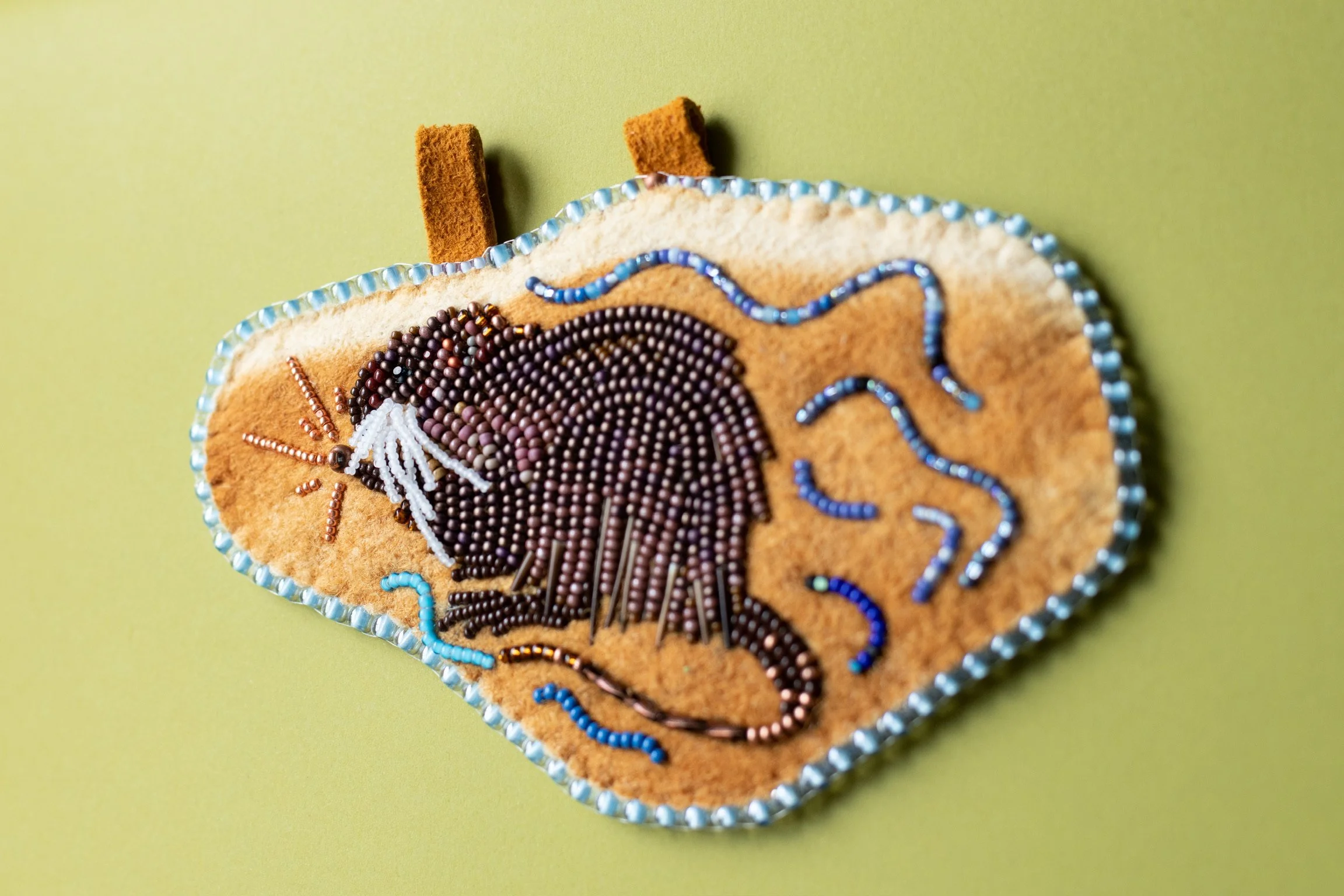
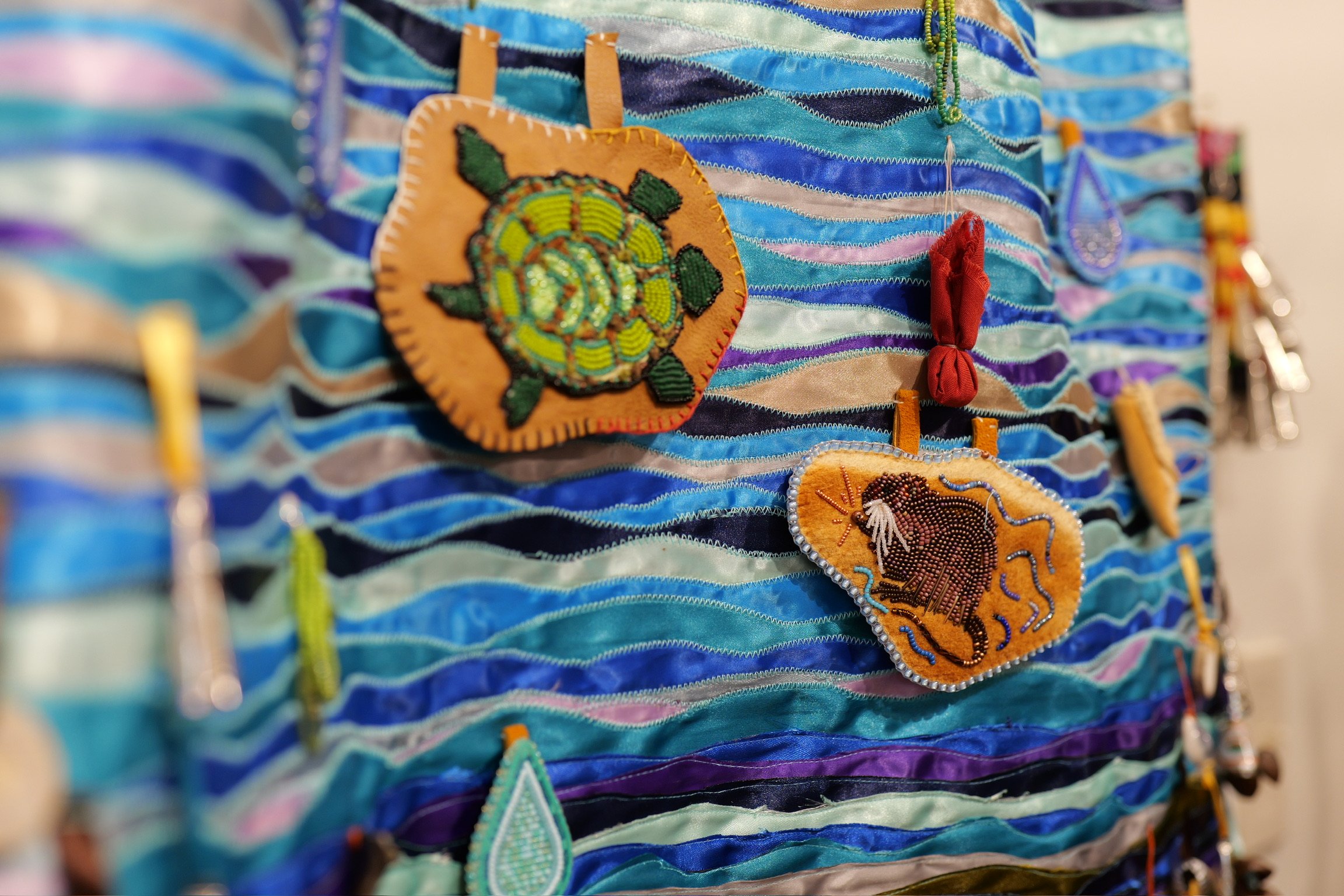
Turtle Island as place, as story, as origin, was born from one handful of earth. Artists A Smith and Jennifer Gouge weave with the story of Turtle Island’s origin by leaning into Anishinaabe storytelling; honoring Muskrat, Turtle, and every Being as Relative on the surface of a jingled ribbon skirt.
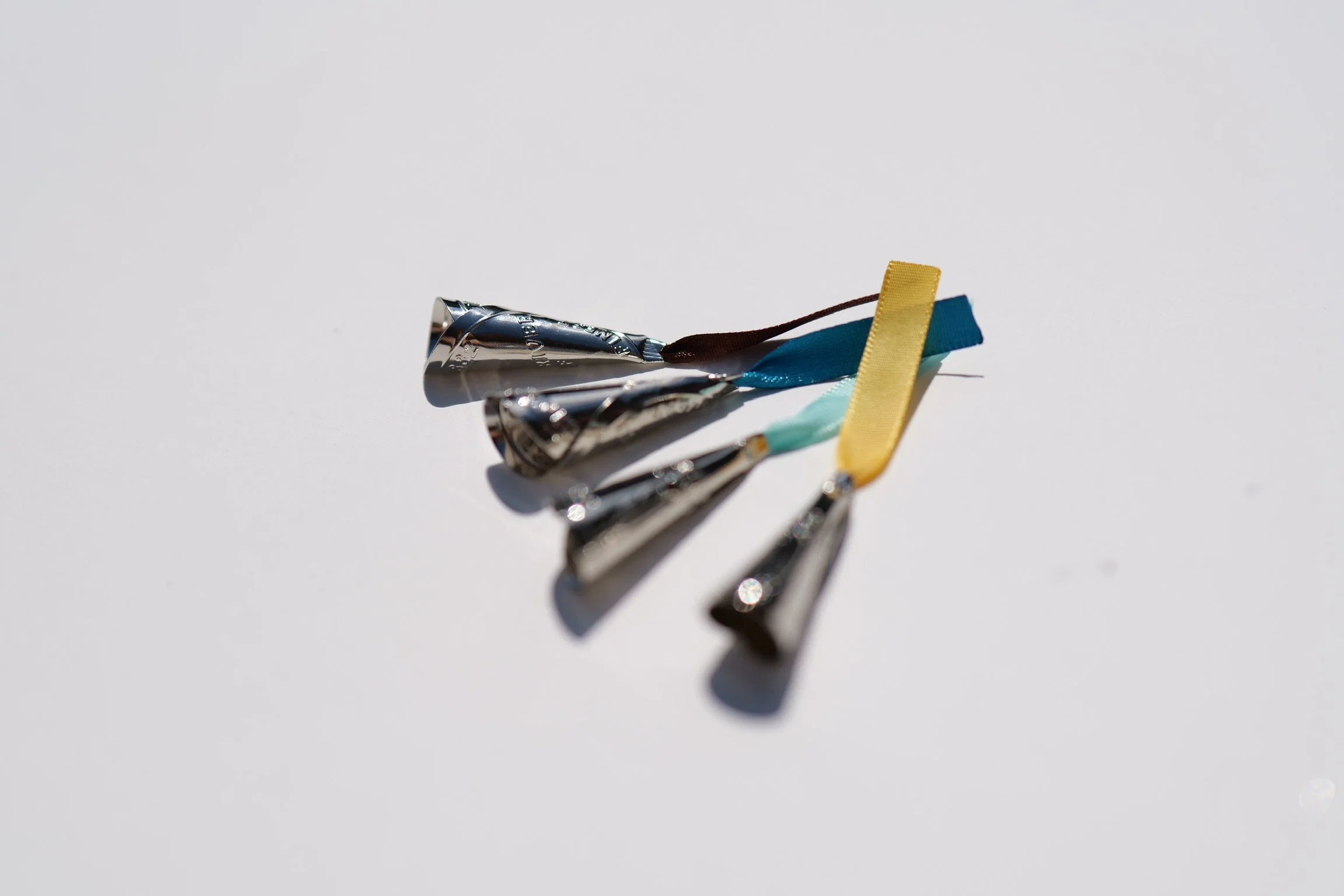
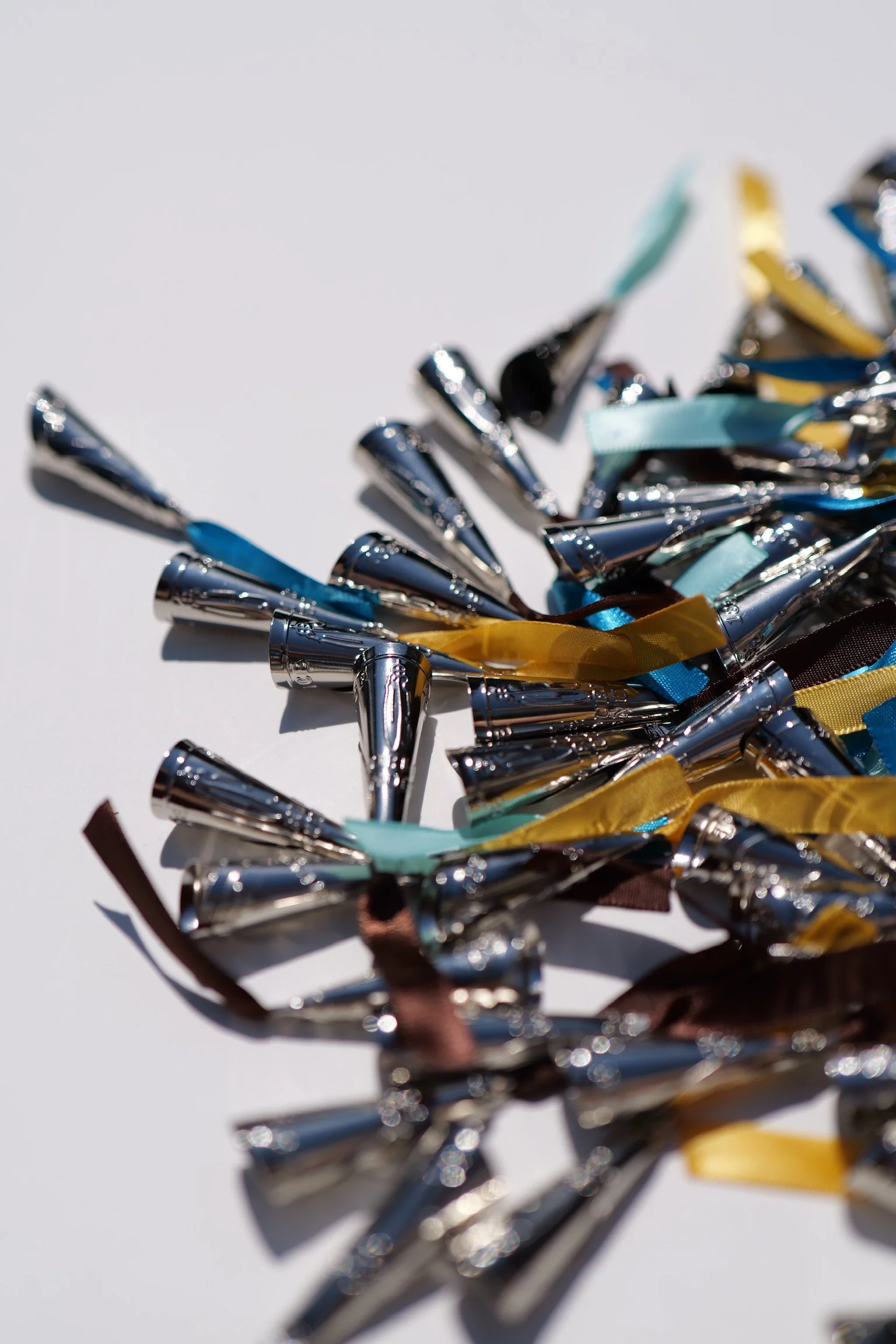
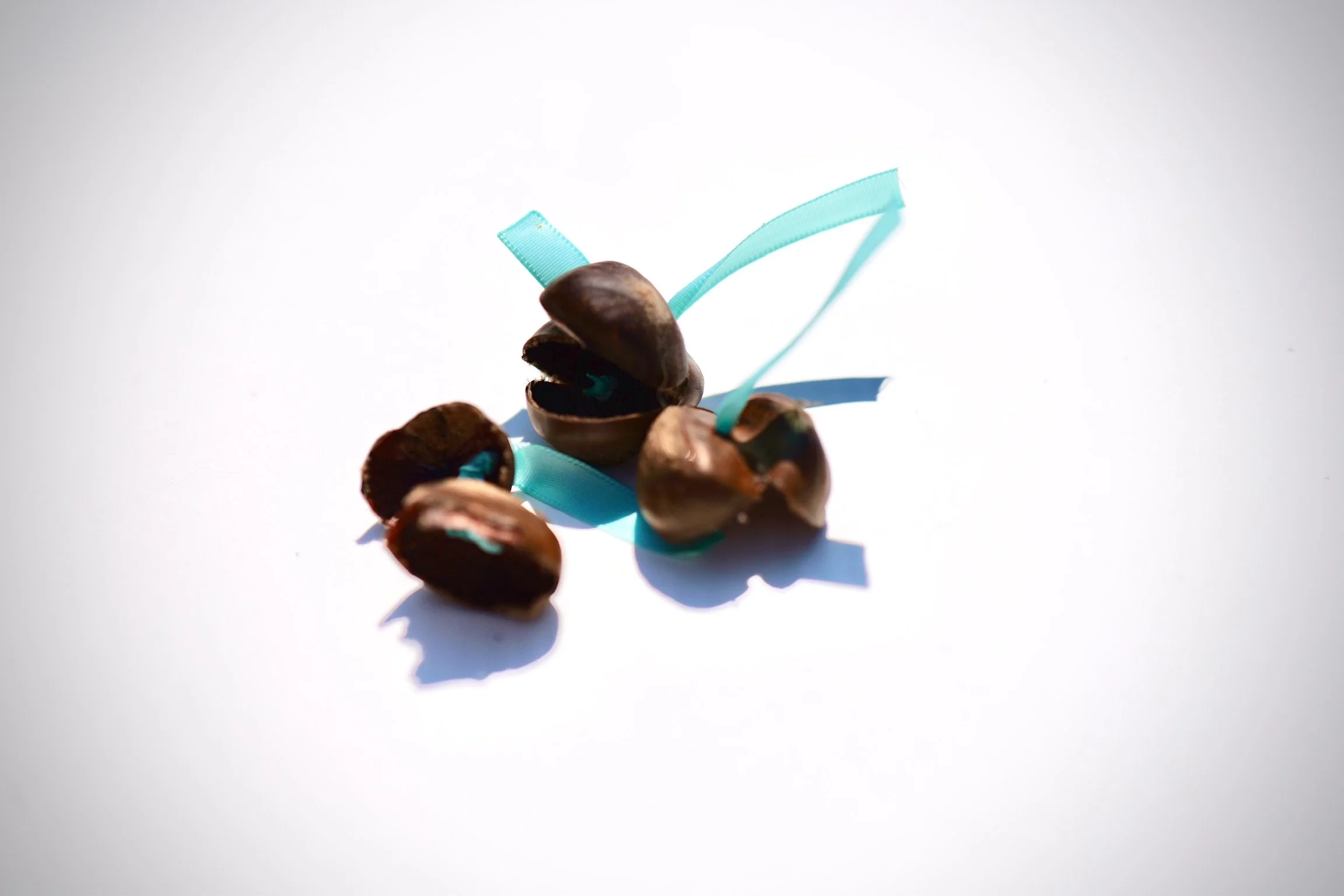
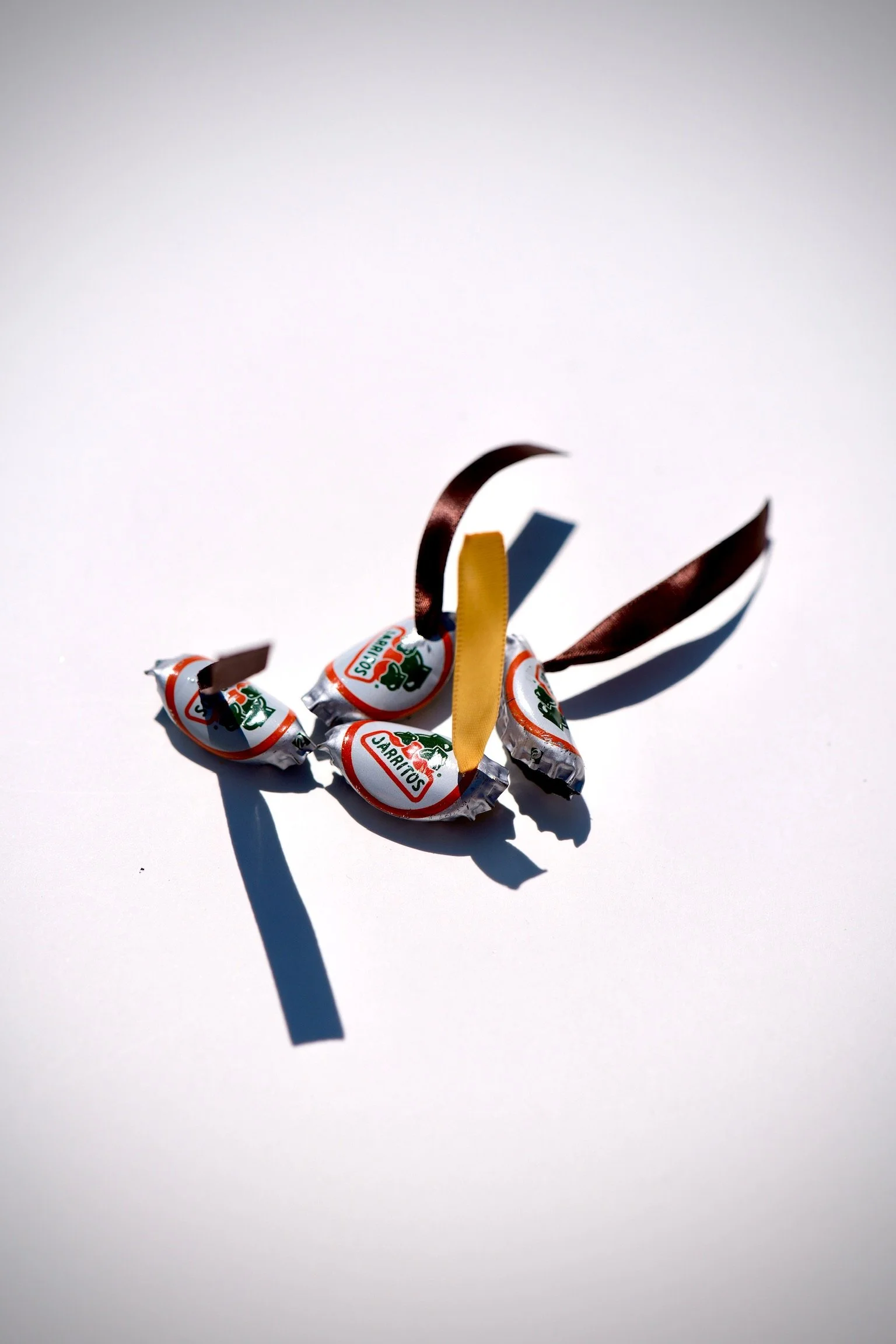
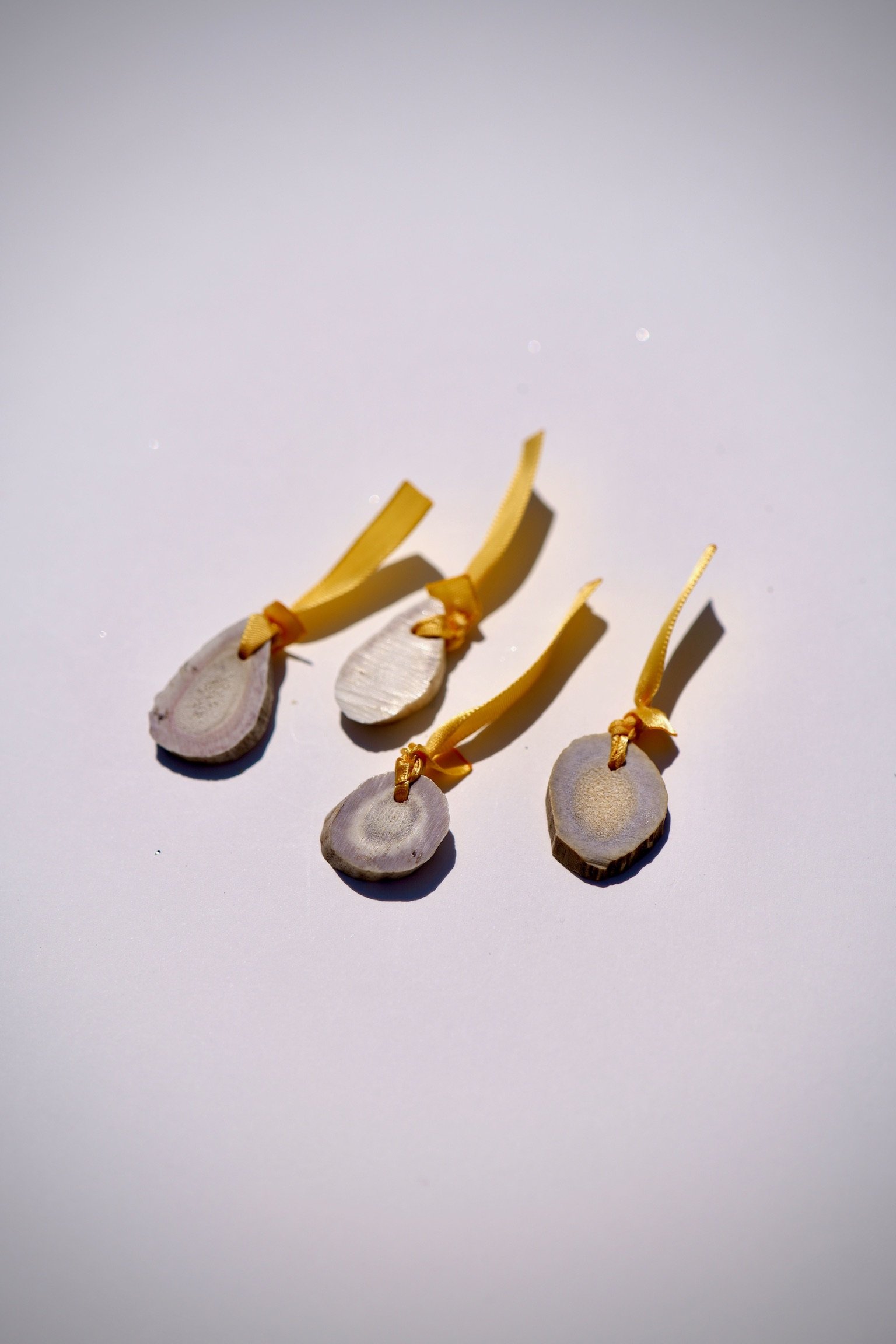
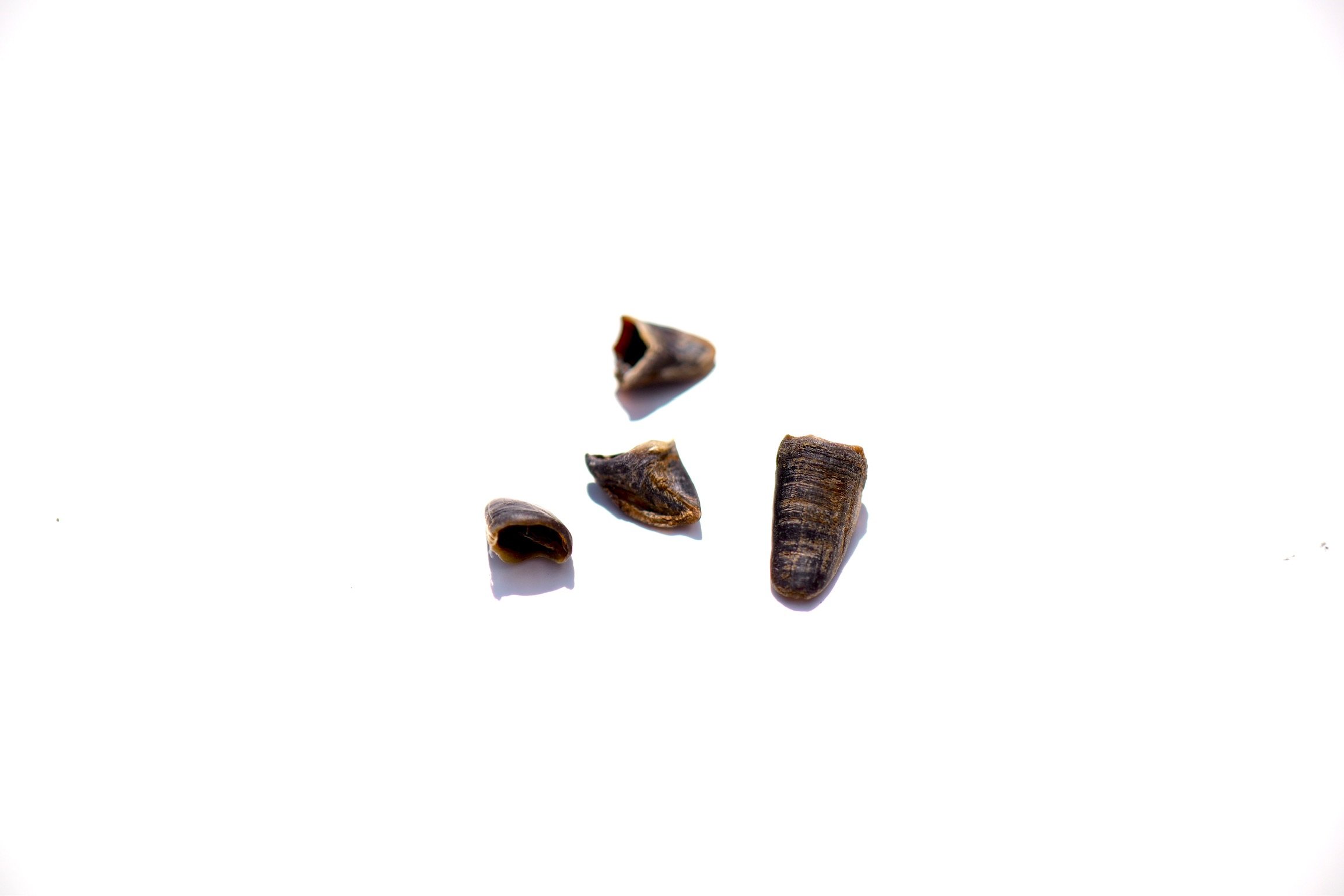
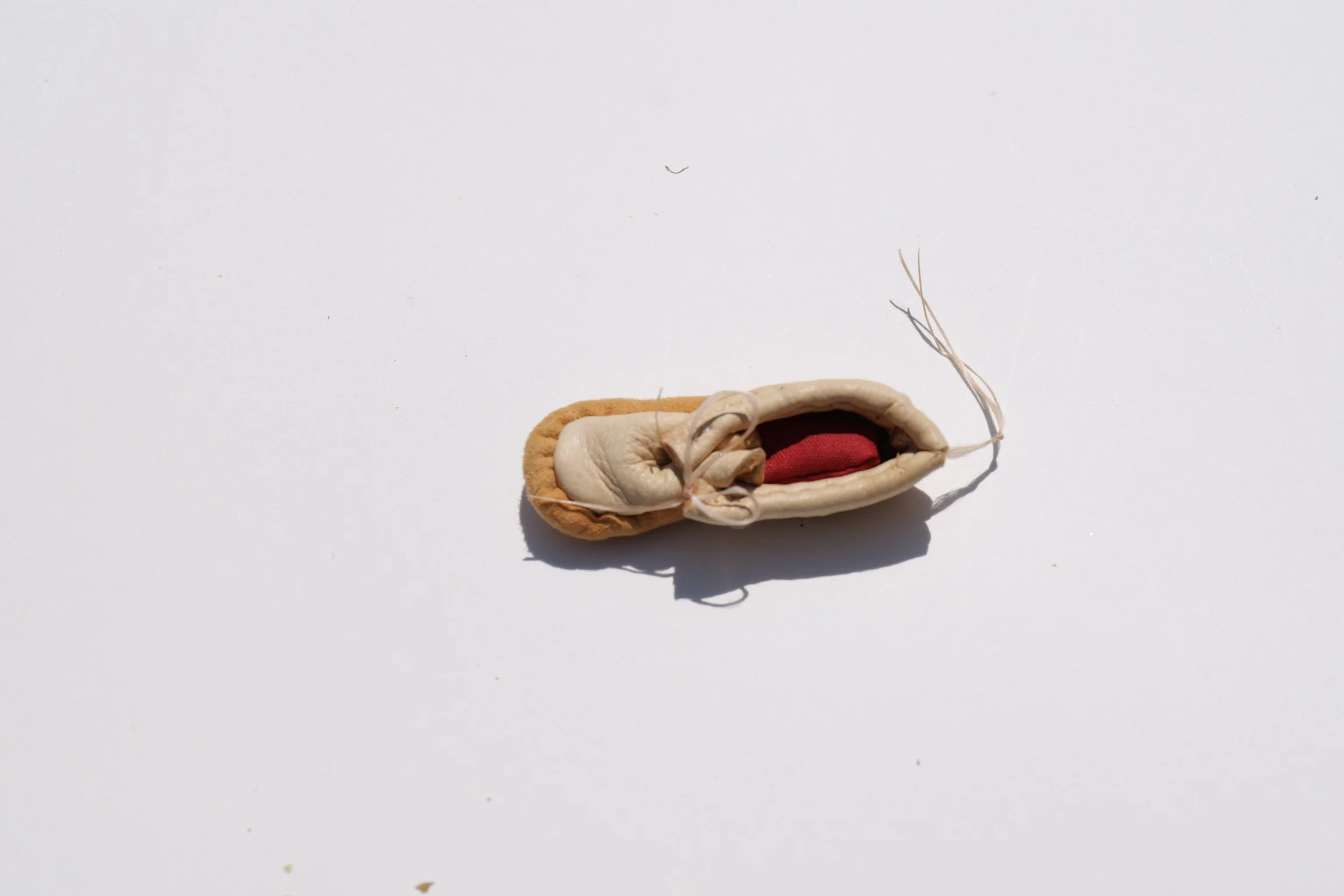
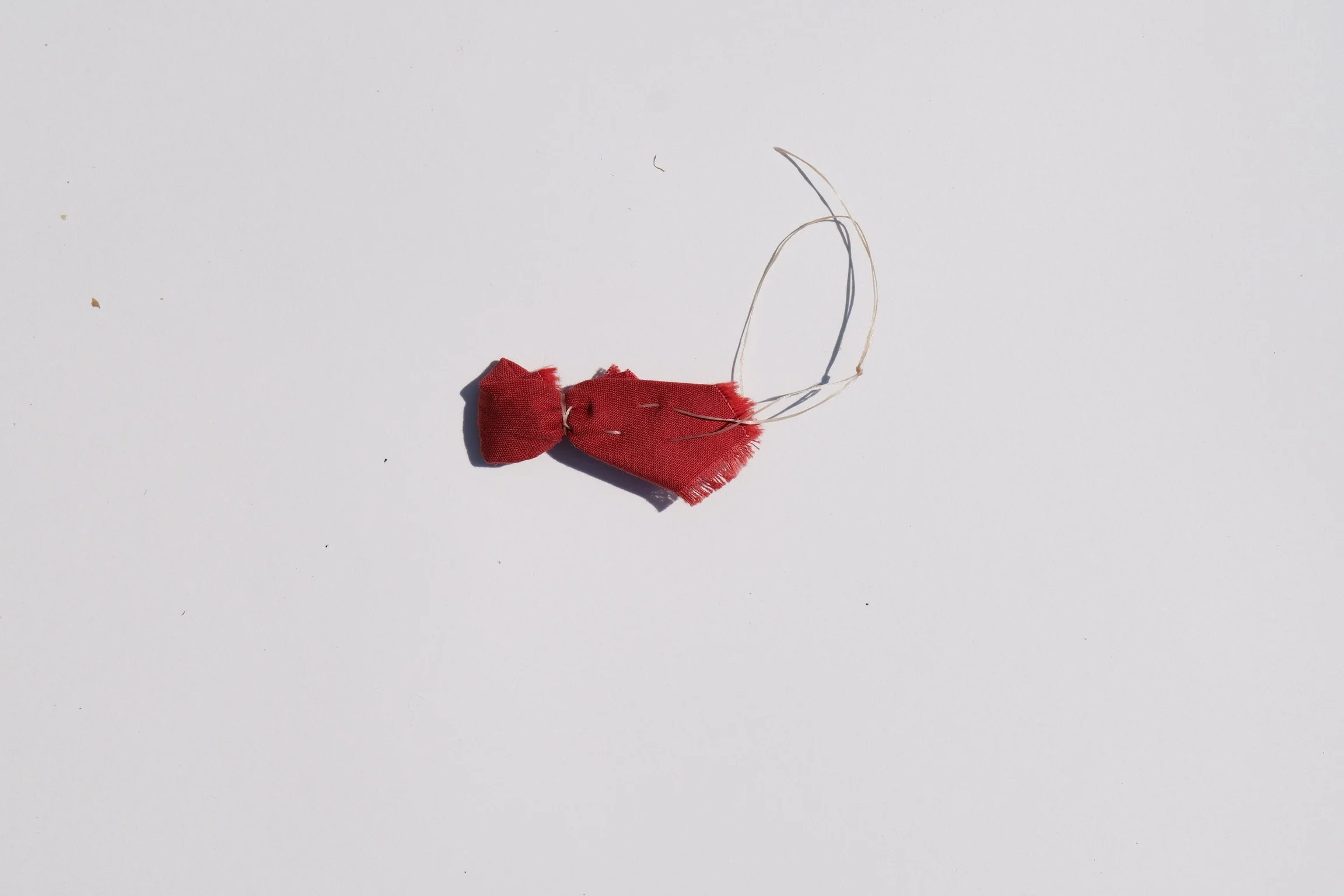
The skirt is wearable, created with Gimaamaayinaan, Mother Earth, in mind as the strong, full, matronly body the skirt is intended to adorn. Her comfort as she walks, and the sounds the range of jingles will make as she moves are in mind during the creation process. The jingles range from traditional rolled tobacco lids, to deer hooves, seed pods, antlers, sea glass, soda tabs and reclaimed bottle caps rolled into upcycled versions of the traditional jingle form. This range of material represents the idea that everything, (every Thing), is a Relative, was pulled from the earth, and will return to it. Trash and traditional art material alike are honored as equally important to this composition. It also speaks to the concept of resources being pulled from land that has given too much, and the fact that discarded resources do not stop living their lives when humans walk away from them.
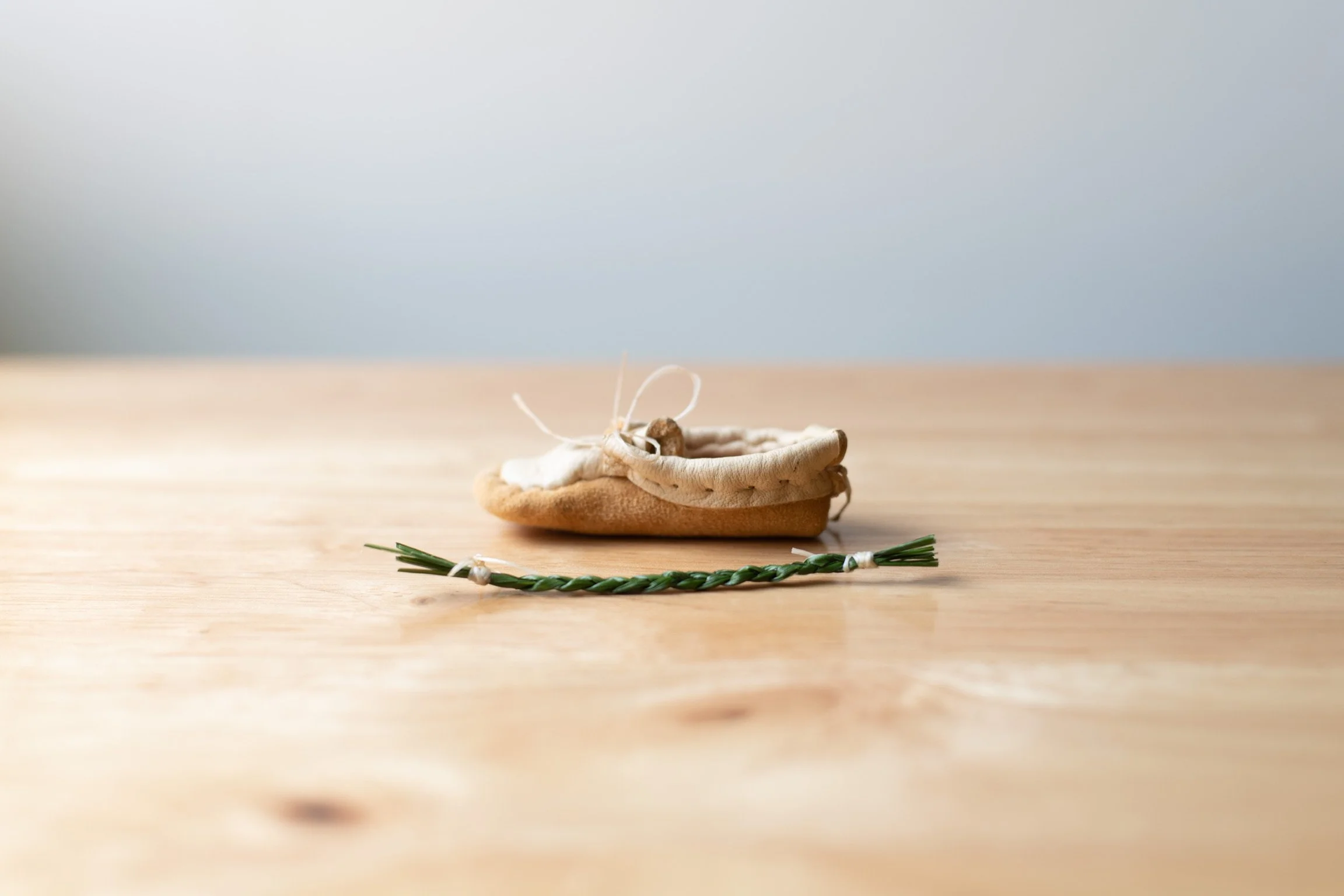
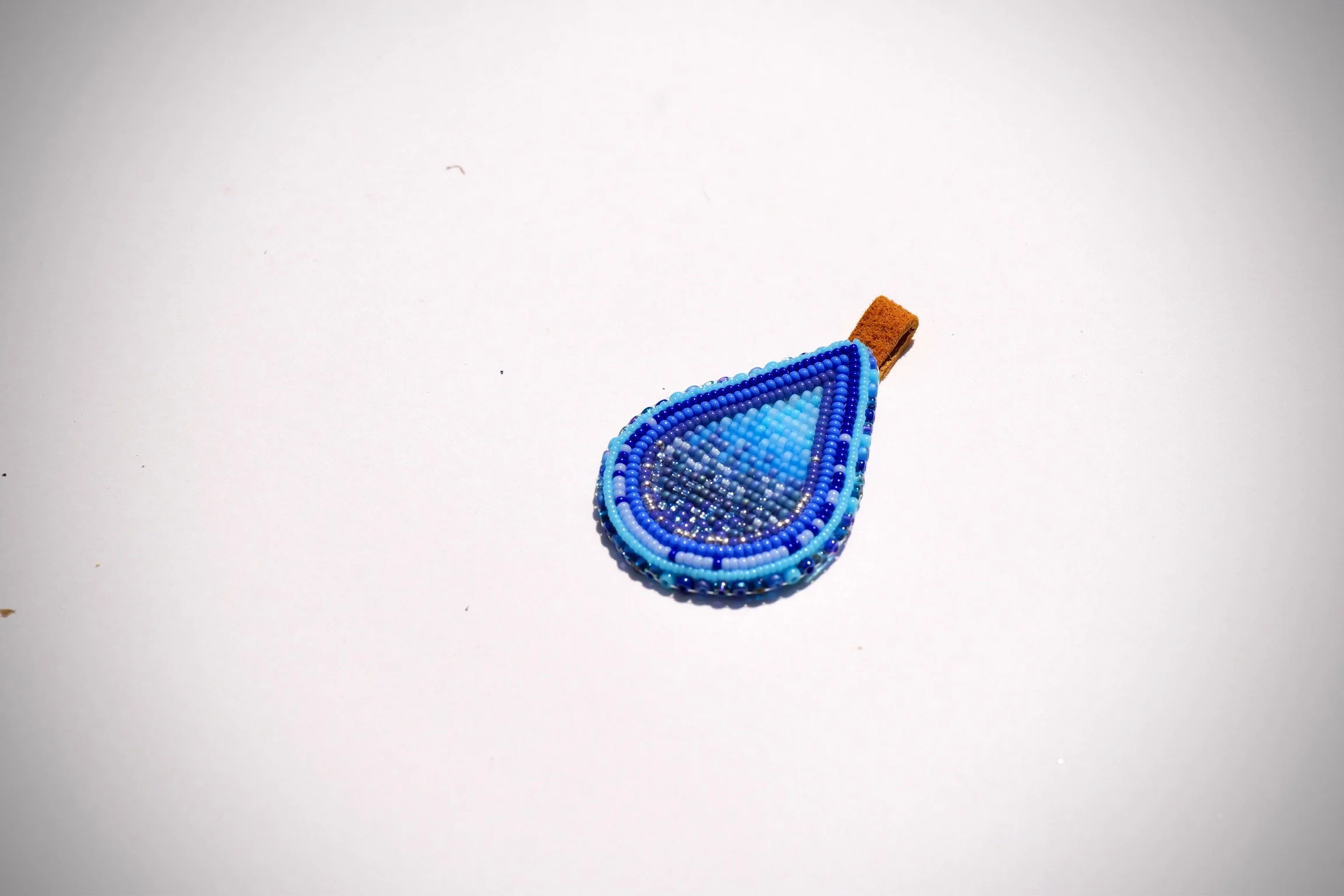
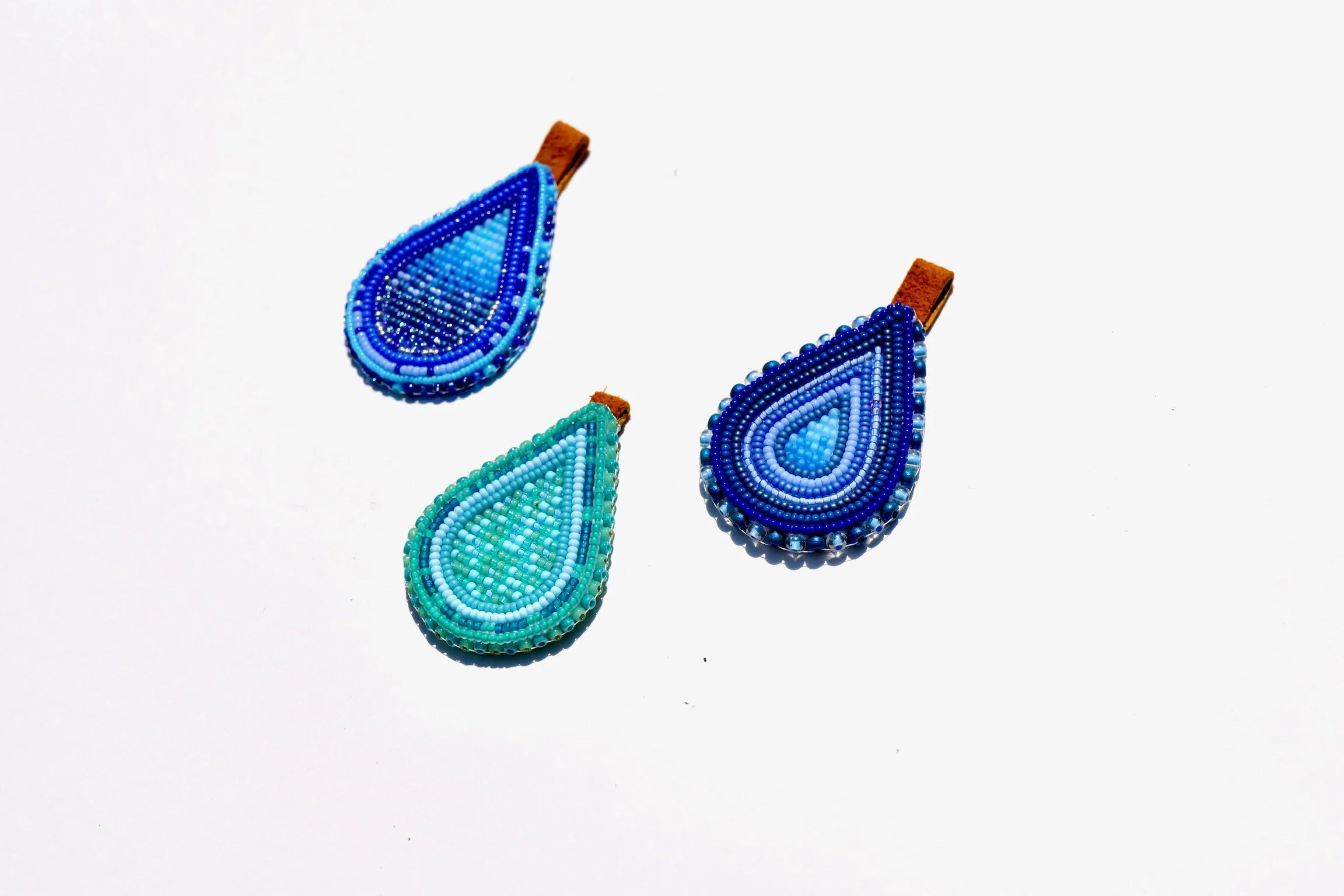
Ingodobaneninj is a story about the land’s history, the contemporary inhabitance of Turtle Island, and the responsibility of those living on it to co-create an abundant future. Water, land, and sky are resourced in the composition, represented by the colors in the skirt’s fabric and the marks added to it with satin ribbon, a traditional regalia material. The idea of regalia is remixed and built upon to bring a kinetic conversation about place into fine art gallery. The three dimensional negative space inside the skirt widens the conversation to include the planet and its place in Indigenous cosmologies, while the beaded representations of Muskrat, Turtle, green growth, and moccasin bring plant, human, and other animal Relatives into the mix. The importance of a single bead is revered, and individual marks, medallions, jingles, and storytelling elements are kept small, honoring the humility of Muskrat and their role in the birth of Turtle Island.
Materials of ingodobaneninj
Many of these relatives that contributed to this skirt are found throughout Turtle Island and are common in Indigenous stories and traditional arts. For this skirt, many were gifted as long ago as ten years, and many were found along the way in regions currently known as Canada, Mexico, Puerto Rico, Wisconsin, Minnesota, Michigan, Oregon, Montana, Tennessee, New Jersey, New York, and Pennsylvania–each of these beautiful places, an important part of Turtle Island. These relatives who contributed to Ingodobaneninj are as important as the final work itself. Miigwech!
Cotton Fabric
Ribbons
Czech, Japanese, and French Glass Beads
Agate
Polyester Stabilizer
Glue
Beeswax
Buckskin
Smoked Moose Hide
Porcupine Quills
Tobacco Tin Lids
Seed Pods
Deer Hooves
Antlers
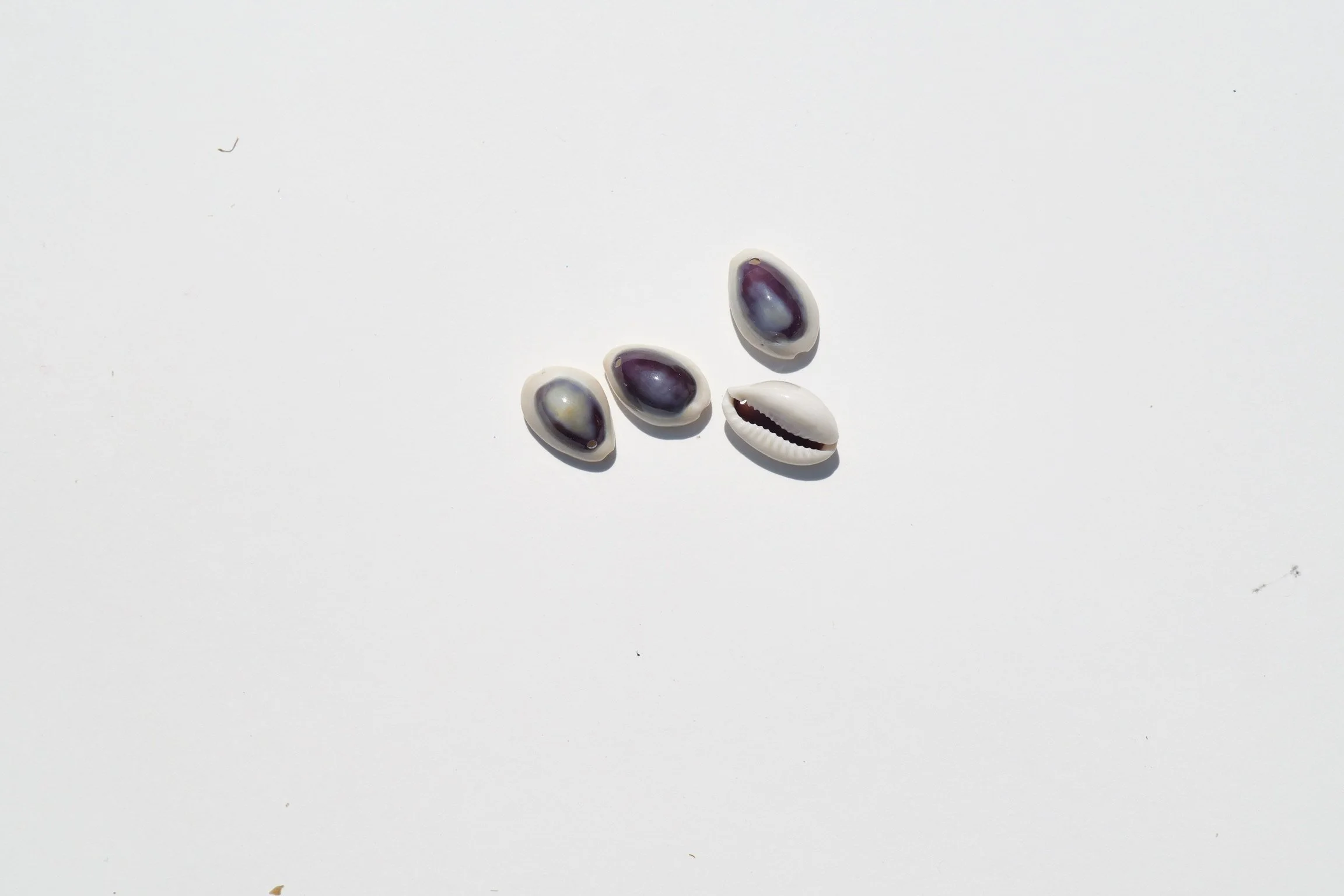
Sea Shells
Miigis Shells
Soda Bottle Caps
Nylon Thread
Sinew
Traditional Medicines
Sounds of ingodobaneninj
One of the best parts of a jingle dress or jingle skirt is the way it sounds. We wanted to share that with you so we’ve recorded each of the sounds that went together in making this skirt.
Tobacco tin lids are considered the current standard for Jingle Dresses. The sound they make when a dancer is dancing is a healing sound. Discarded tobacco tins were once trash made into treasure. Inspired by this, found Jarrito lids are bent into a loose jingle cone shape and brought together to create a unique sound in our skirt. Before there were tobacco tin lids, other materials, such as shells, nuts, bone, and more were fastened on Jingle Dresses to produce their own sounds. The combination of all these materials together honors the past, present, and future of healing jingle sounds.
Learn more about Turtle Island
Creation of Turtle Island
Click here to learn more about the Ojibwa perspective through The Creation of Turtle Island story.
Native Land Maps
Click Here to engage with this interactive map to learn more about whose land you’re occupying, visiting, or working with.
Turtle Island Decolonized
Click Here to learn more about the relationship between Indigenous place names, the land, and people, all of which carry their own stories and memories.
Meet the Artists
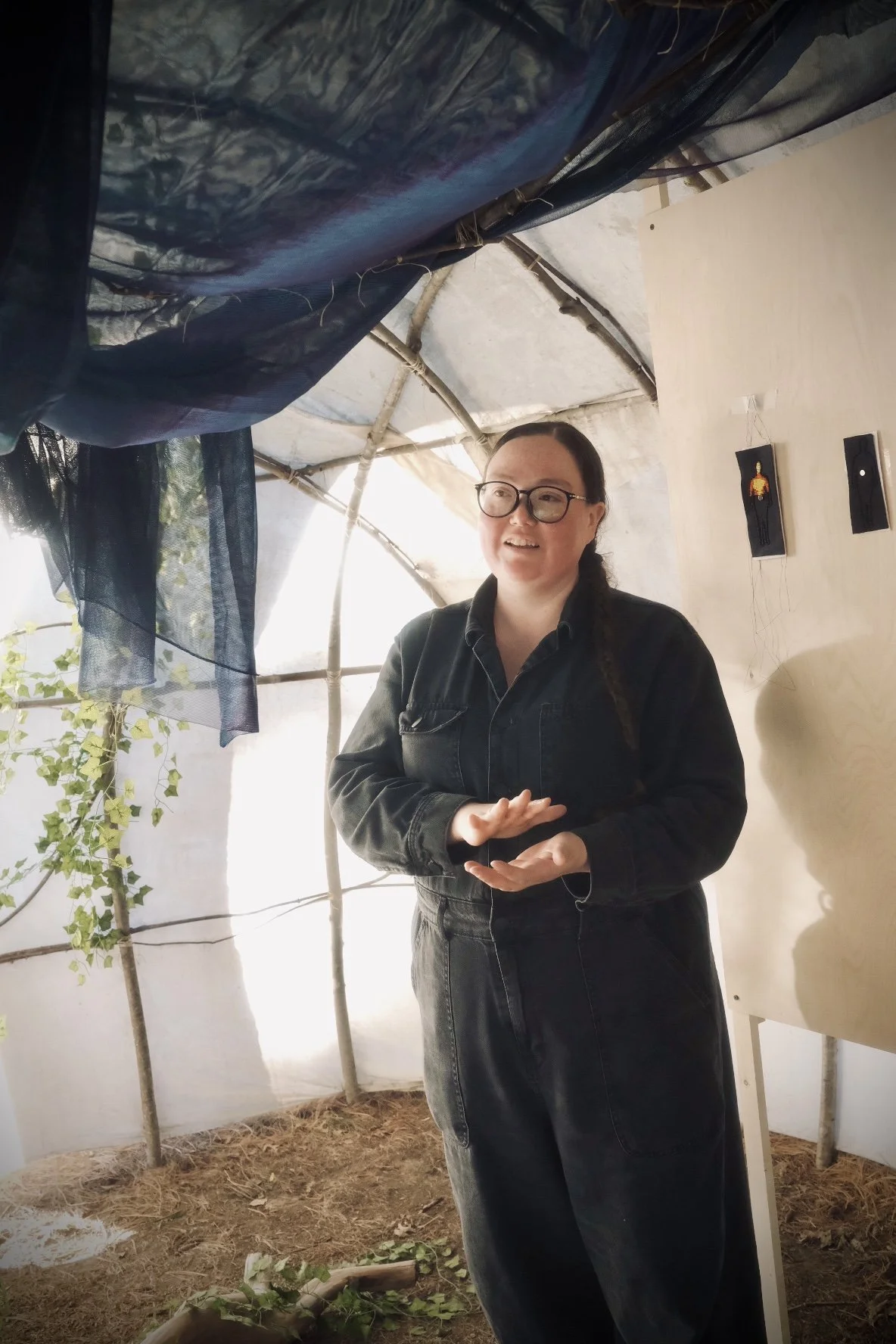
Jennifer Gougé
Contributing ArtistJennifer, an Anishinaabe and Taino transmedia artist, is a builder of Indigenous futurist spacetime, creating worlds with photography, illustration, installation, beads, voice, and short fiction. Enrolled in the Lac Courte Oreilles band of Lake Superior Ojibwe and the Higuayagua Taíno of the Caribbean, she draws deeply from personal and relational experience, regarding art as a toolkit for hope, resistance, medicine, and measured decomposition. Jennifer builds Indigenous futurist camps as mycelial wells of resource and replenishment, landing on settler-maps in “eau claire, wi” and “nashville, tn”, and on real maps in Pakwewaang. Their written work can be found in Chapter House Journal, Odaawaa Zaaga’iganiing Review, Manufactured Ecosystems, and ephemerally within her visual and sound work.
To learn more about Jennifer and her work, visit her website by clicking here.
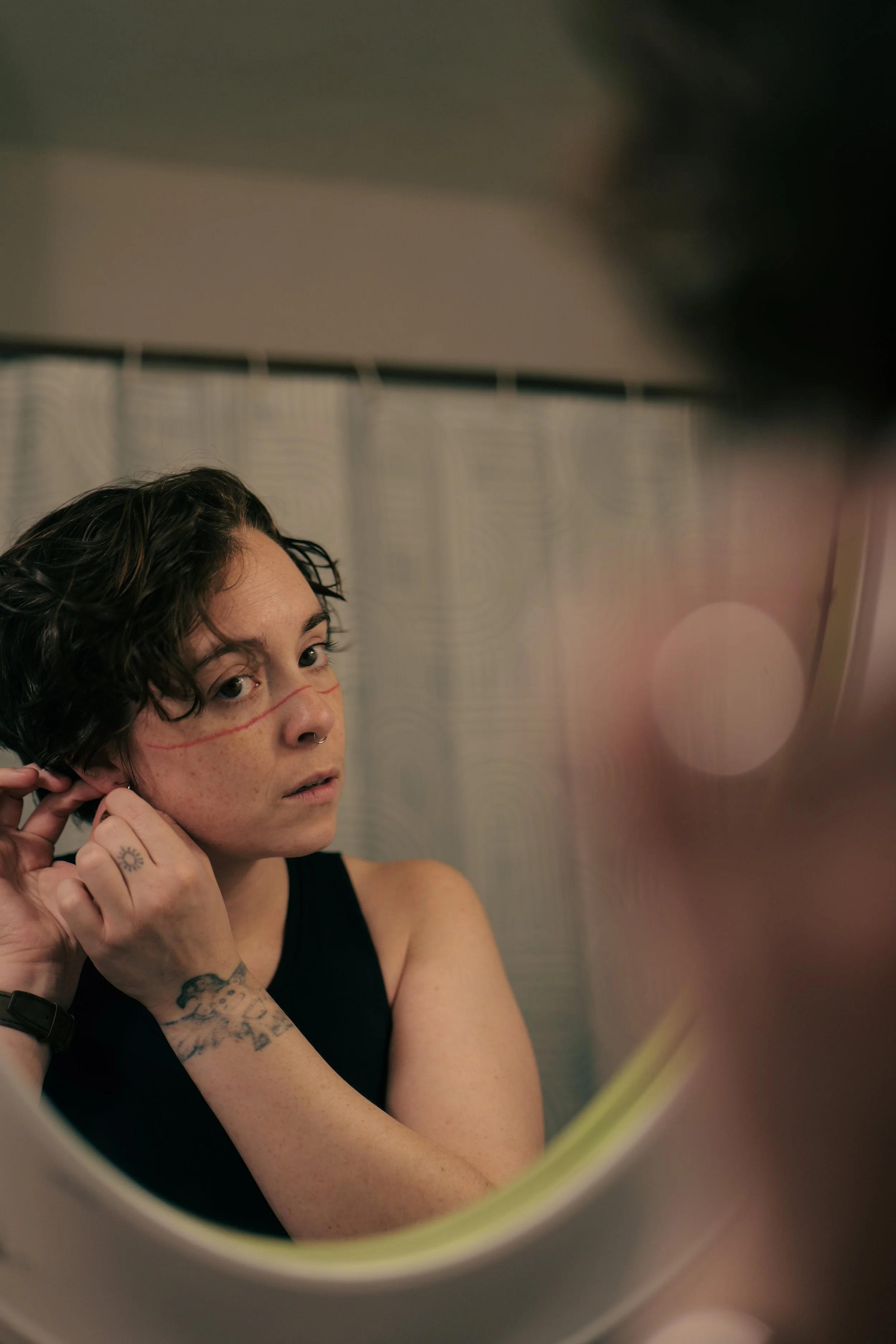
Contributing ArtistA Smith
A Smith is a queer, Anishinaabe, mixed-media artist and photographer. Their work traces the threads of identity through land, community, and self, and the ways all three are woven together. No stranger to grief and the delicate balance of life and death, A honors this balance in their work by breathing new life into old, discarded, and otherwise “dead” materials, remaking them as art.
A is inspired by cultural stories, their love for the land and river, their own dreams, and the people they love. A honors their ancestors, who were storytellers and artists when they walked Earth-side by continuing to create and experiment across mediums. Their work has been featured in several places big and small, from an Indigenous owned bookstore in Canada to Billboards in Times Square, NYC. Their work asks viewers to meet their own creativity, and their own relationship with Turtle Island, with curiosity and an open heart.
To learn more about A and their work, visit their website by clicking here.